
How Pets Create Hope in Retirement Communities


Across retirement communities in St. Petersburg and South Pinellas, pets play a quiet but powerful role in daily life. For many seniors, a dog’s wagging tail or a cat’s steady presence brings more than companionship—it brings purpose, routine, and hope.
Modern research supports what residents and caregivers have long observed: animals help protect emotional wellbeing, reduce loneliness, and create meaningful structure during retirement.
Companionship That Reduces Loneliness

Loneliness is one of the most common challenges faced by older adults, even in active retirement settings. Pets provide consistent companionship without judgment or expectation.
Science shows that:
- Interaction with animals lowers cortisol, the body’s primary stress hormone
- Time spent with pets increases oxytocin, associated with trust and bonding
- Regular companionship reduces perceived social isolation
For seniors living alone or adjusting to life changes, pets offer steady emotional connection day after day.
Daily Purpose Through Simple Responsibility
Caring for a pet introduces small, meaningful responsibilities that restore a sense of purpose.
Examples include:
- Feeding routines
- Short walks or supervised outdoor time
- Grooming or play
These activities help seniors:
- Maintain daily structure
- Stay physically active at safe levels
- Feel needed and relied upon
Purpose does not need to be complicated. Even simple care routines reinforce identity and motivation.
Emotional Stability and Stress Reduction

Pets act as emotional anchors during periods of uncertainty or transition.
From a biological perspective:
- Touch and proximity calm the nervous system
- Familiar routines stabilize mood and sleep patterns
- Non-verbal companionship reduces anxiety
Many seniors report feeling calmer, more relaxed, and less overwhelmed when a pet is nearby—especially during medical appointments, recovery periods, or major life changes.
Social Connection and Community Building
Pets often serve as social bridges within retirement communities.
They naturally encourage:
- Conversations between neighbors
- Shared outdoor activities
- Group events centered around animals
A dog walk or a friendly cat in a common area can spark interactions that might not otherwise happen, helping residents feel more connected and less isolated.
Pets and Cognitive Engagement
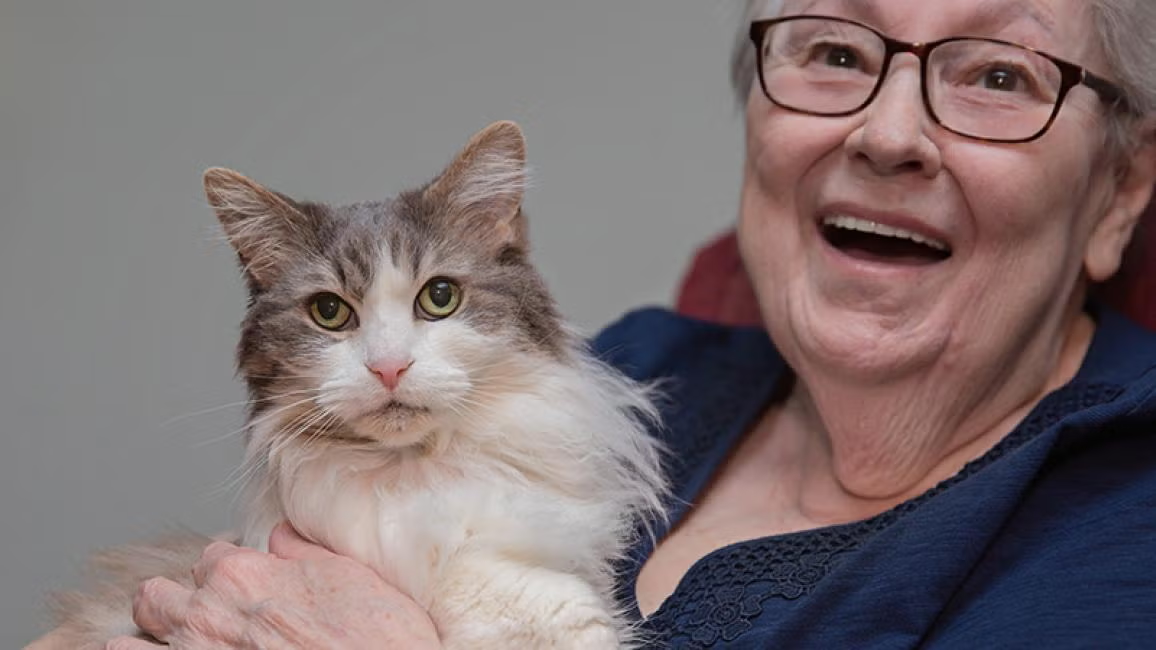
Interacting with animals also supports cognitive health.
Studies suggest that pets can:
- Encourage memory recall through routine
- Promote focus and attention
- Reduce agitation in individuals experiencing cognitive decline
For seniors, these small daily interactions can contribute to mental engagement and emotional clarity.
Supporting Senior Pets—and Senior Owners
As pets age alongside their owners, thoughtful veterinary care becomes especially important.
At Community Animal Hospitals, we recognize the unique bond between seniors and their pets. Preventive care helps ensure that animals remain comfortable, mobile, and healthy—supporting the companionship that brings so much meaning to daily life.
Regular wellness visits help:
- Identify discomfort early
- Preserve mobility and energy
- Maintain routines that benefit both pet and owner
Pets in Retirement Communities
In retirement communities throughout St. Petersburg and South Pinellas, pets quietly create hope every day. They lift spirits, ease loneliness, and provide purpose through simple, meaningful connection. For many seniors, a pet is not just a companion—it is a reason to get up each morning, a source of comfort, and a steady reminder that they are never truly alone.